20% off on product page · save $1.50
Locked Hands or Fingers? What to Do and When to Get Help
If one finger catches when you bend it and then pops straight, you may be describing trigger finger; if several fingers or your whole hand tighten at once, the cause could be different. Notice which fingers are affected, whether the problem follows gripping or repetitive work, and whether you also have pain, swelling, tingling, or numbness, because those details will help a clinician assess it.
Check the product’s listed specifications when evaluating start by identifying what “locked” means.

Stop the activity that brought on the locking, relax your grip, and gently move the finger only within a comfortable range rather than forcing it straight. Reducing repeated gripping for a few days may help, and a clinician can advise whether a splint, hand therapy, medication, or another treatment makes sense if it keeps happening.
Check the product’s listed specifications when evaluating ease a finger that catches.

Featured in this guide
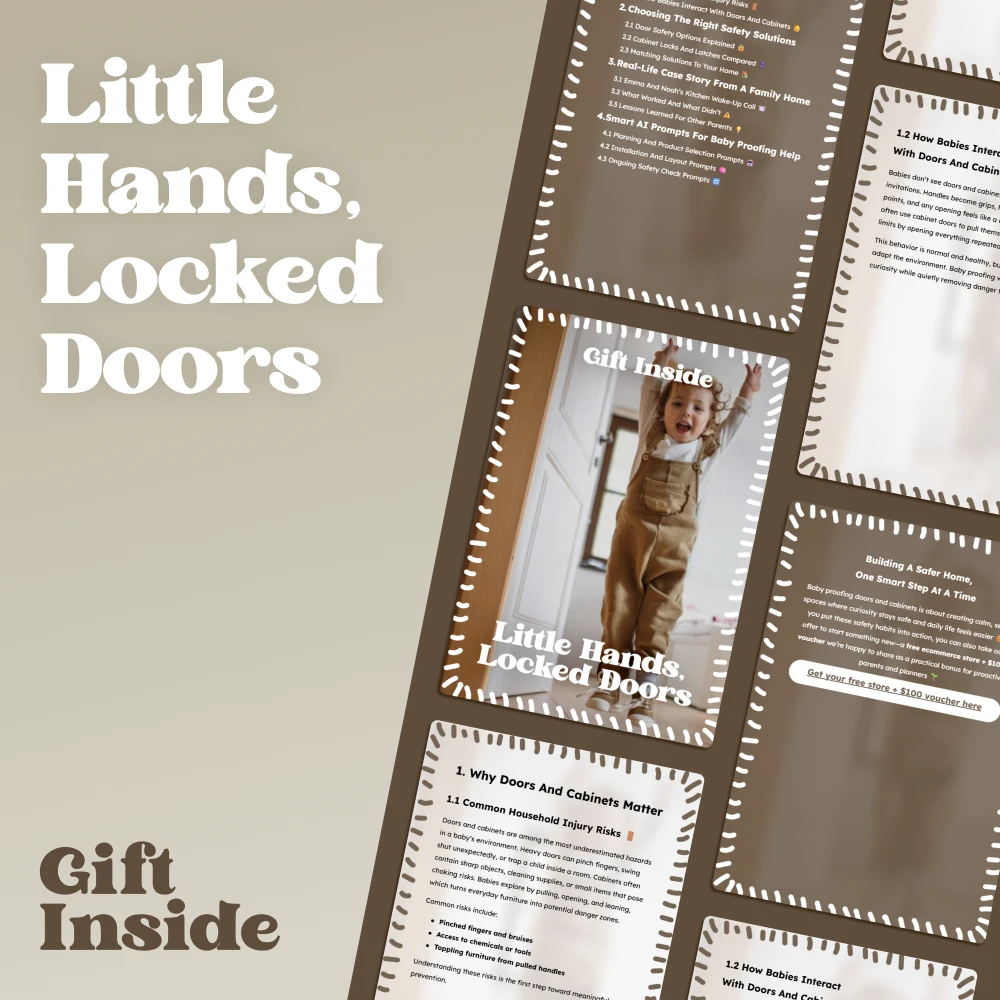
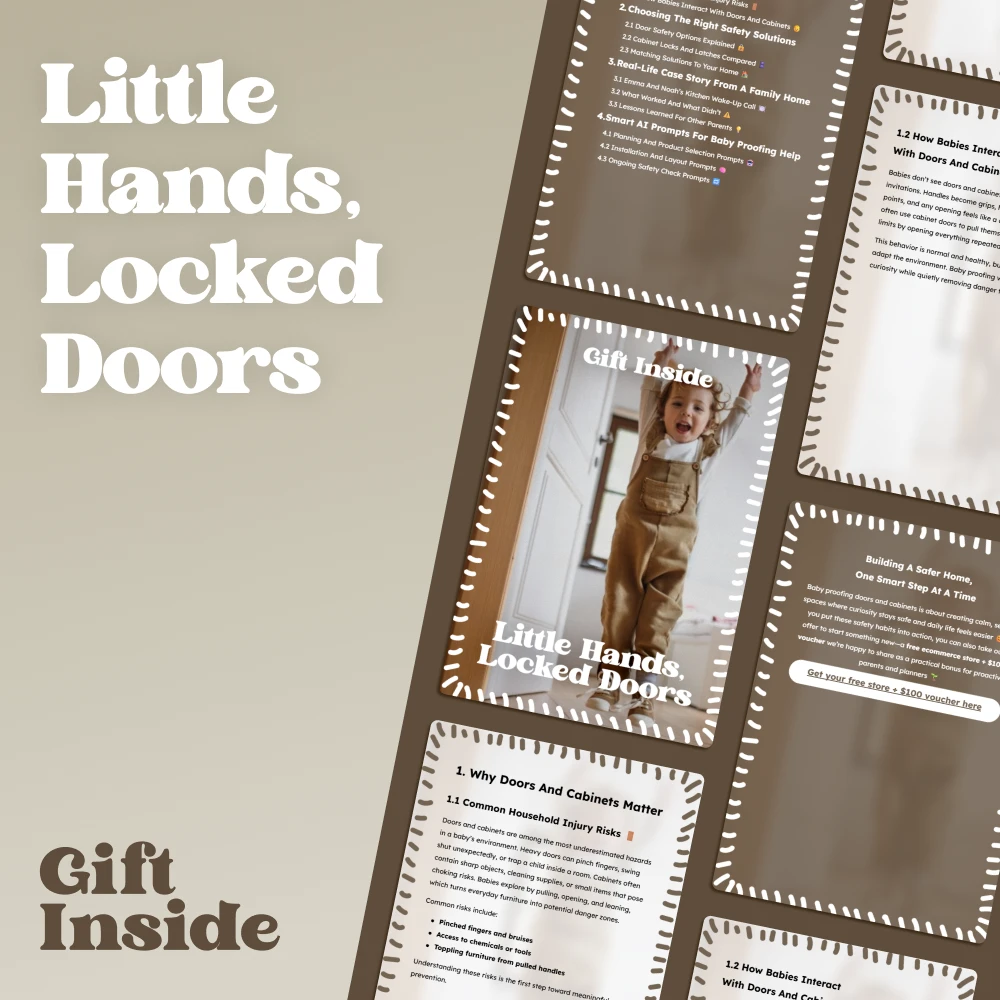
Little Hands, Locked Doors – A Practical Guide to Baby Proofing Doors and Cabinets for Safer Homes
Arrange a medical evaluation if locking recurs, interferes with daily tasks, or comes with persistent pain, swelling, numbness, or weakness; seek prompt care if a finger is stuck after an injury or your hand changes color. If sudden hand symptoms occur alongside face drooping, trouble speaking, or weakness on one side of your body, call emergency services rather than trying to treat the hand at home.
Check the product’s listed specifications when evaluating know when to get medical help.
If you meant that a child-safety lock is trapping your fingers or making a door hard to open, stop pulling, support the door or cabinet, and use its intended release without prying near a child’s hand. Our team covers household locks in Little Hands, Locked Doors – A Practical Guide to Baby Proofing Doors and Cabinets for Safer Homes, but our guide is about baby proofing doors and cabinets, not treating a hand that locks up.
The A Parent’s Guide to the Crib-to-Bed Transition | Toddler Sleep Ebook for a Smooth toddler transition from crib to bed | Gentle Parenting Digital Guide works alongside the featured product and provides a defined sleep surface during family stops and overnight travel.
Mild symptoms sometimes improve when you reduce the gripping or repetitive motions that aggravate them, but trigger finger can also persist or worsen. If your finger repeatedly catches, becomes painful, or stays stuck, see a clinician for an assessment and treatment options.





Leave a comment