69% off on product page · save $56.95
Portable Bike Pump Guide: Presta, Schrader & PSI
Look at the valve stem before you connect a pump. A Presta valve is narrow and has a small threaded tip that you loosen to let air in. A Schrader valve is wider and resembles the valve on a car tire; its pin sits inside the opening. Both can appear on bikes, so the valve on your current tire—not the kind of bike you own—is the detail to confirm.
A pump listed for both Presta and Schrader valves is especially useful when your household has different bikes or when you change wheels or tires. You can keep one portable pump in your ride kit rather than assuming every valve needs a separate pump. Before each use, make sure the pump head is set for the valve you have and seated securely. Pump heads vary, so follow the connection method for the pump in your hands rather than forcing a fit.
If the head slips or air escapes around the connection, stop and reseat it. Pushing harder while the connection is crooked can make pumping frustrating and may put unnecessary strain on the valve stem.
The pump’s listed 300PSI rating is a pump specification, not a pressure target for your bicycle tire . Start with the pressure range printed on the tire sidewall, and respect any pressure limits specified for your wheel or rim. Inflating a tire to a pump’s maximum rating simply because that number is on the pump would be the wrong approach.
Within the appropriate limits, the pressure that works for a ride can vary. Tire width, rider weight, terrain, and your preference for comfort all matter. For example, the pressure you choose for a smooth paved route may not be the one you prefer on a rougher surface. If you are changing your setup or want a starting point to refine, the SRAM AXS Tire Pressure Guide explains factors that affect tire-pressure choices. The tire and wheel limits still take priority.
Do not assume a compact pump gives you a pressure reading. When an accurate PSI matters, use a separate pressure gauge. You can also review Park Tool’s tire-inflation guidance for an overview of valves and inflation technique.
Quick checks before adding air
| Check | What to look for | Why it matters |
|---|---|---|
| Valve | Presta or Schrader | The pump connection must match the valve. |
| Tire pressure | The range printed on the tire sidewall | A pump’s maximum rating is not a tire-pressure target. |
| Tire condition | Cuts, embedded debris, or a visibly flat tire | Air alone will not fix every puncture or damaged tire. |
Featured in this guide
300PSI Portable Mini Bike Pump for Presta & Schrader Valves – Ultralight Alloy
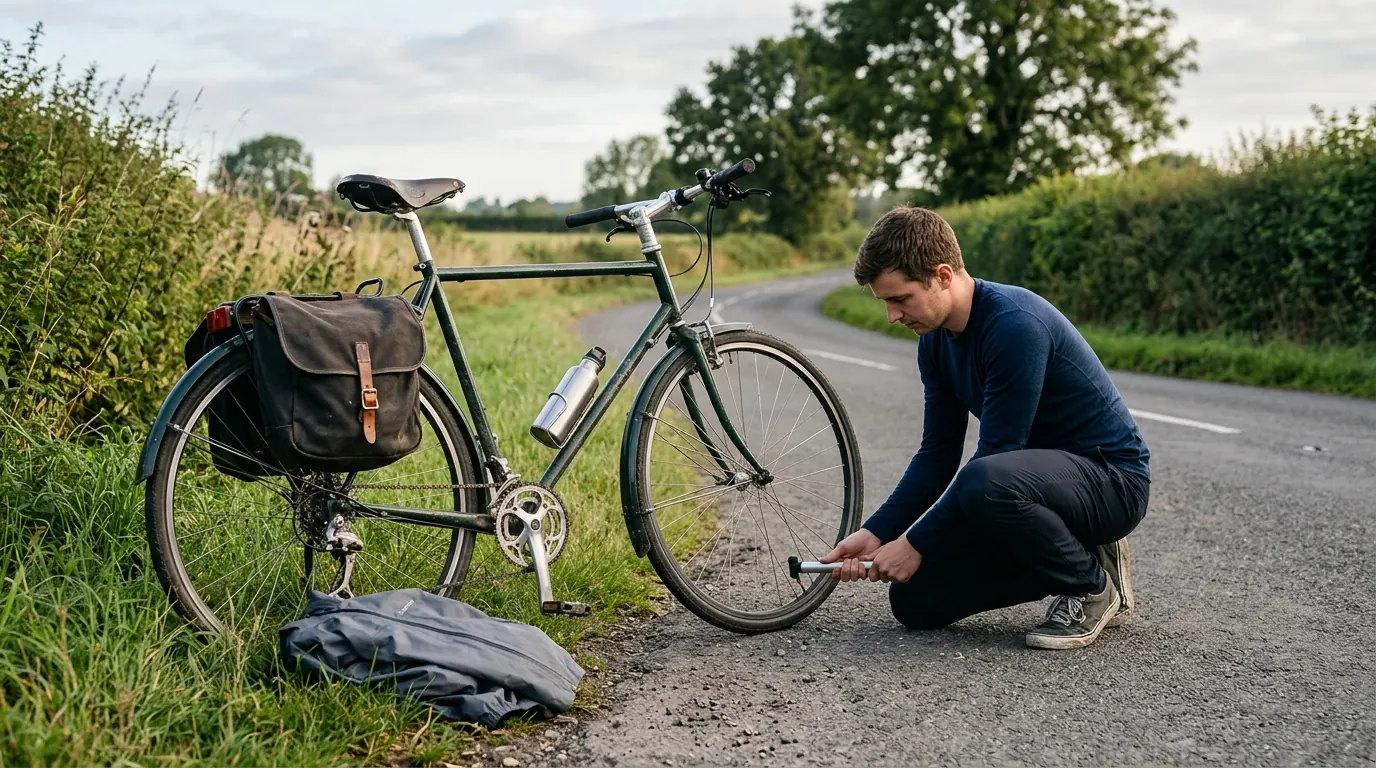
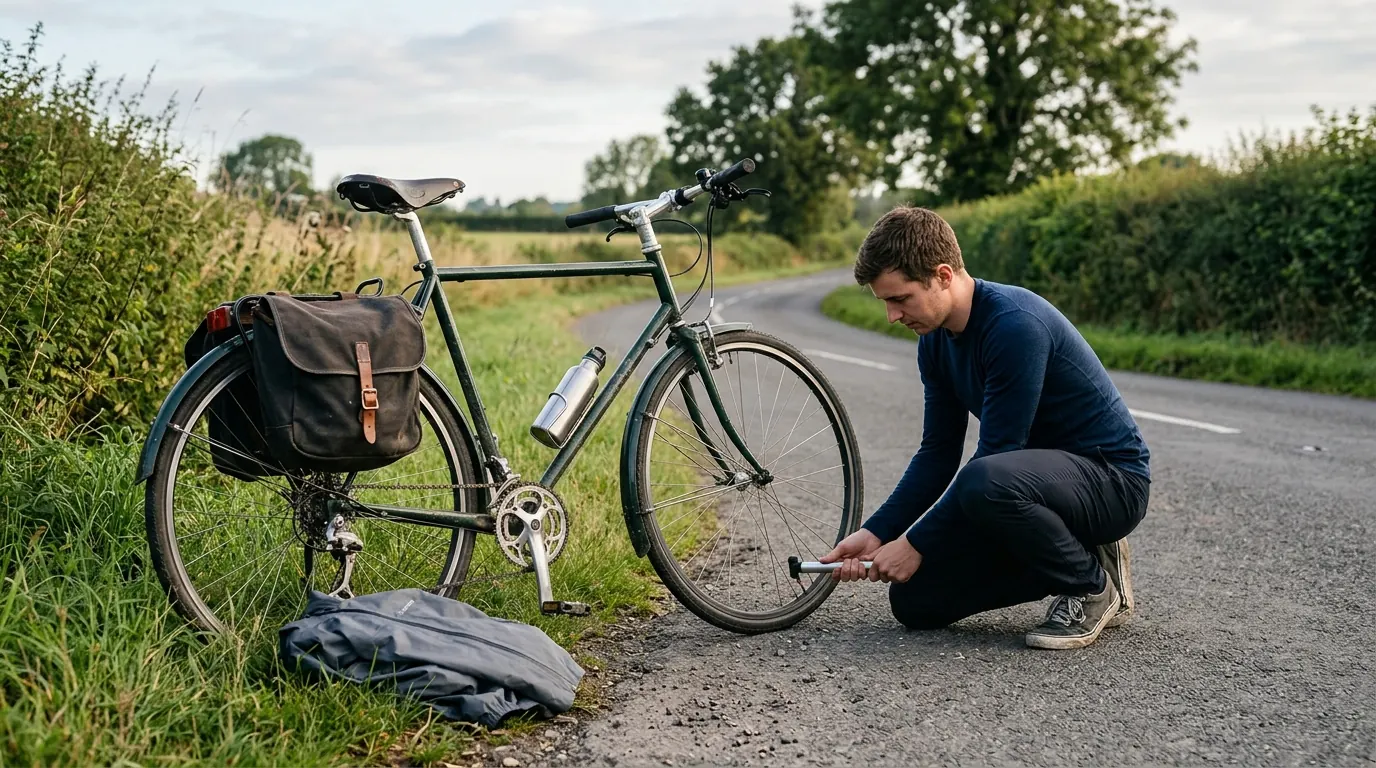
Our mini alloy pump gives you a portable way to add air, whether you are topping off a tire or dealing with a loss of pressure away from home. A compact hand pump may take more strokes than a floor pump, especially when a tire has lost a lot of air.
Air will not repair a puncture. Carry supplies suited to your tires, such as a spare tube, patches or tubeless repair materials; tire levers may help too. Our team favors keeping those essentials together and replacing anything you use before your next ride. If you are building a broader preparation routine, our fitness discipline and habit-building guide offers ideas for making habits stick.
Choose a pump with a Presta-compatible head, such as a model listed for both Presta and Schrader valves. Loosen the small Presta valve tip before attaching the pump.
Use the pressure range marked on your tire and observe any wheel or rim limits. The pump’s 300PSI rating is not a target for your tire; use a gauge when you need an accurate reading.
A Schrader-only pump generally needs a compatible adapter to connect to a Presta valve. Alternatively, use a pump designed for both valve types and set its connection correctly before pumping.
The best choice for you fits your bike’s valve type and is practical to carry and use. Consider whether you also need a separate pressure gauge and tire-repair supplies for your rides.



Leave a comment